The 2026 International Conference on Artificial Intelligence, New Materials
and New Energy (AINMNE 2026) Successfully Concludes in Xiangtan
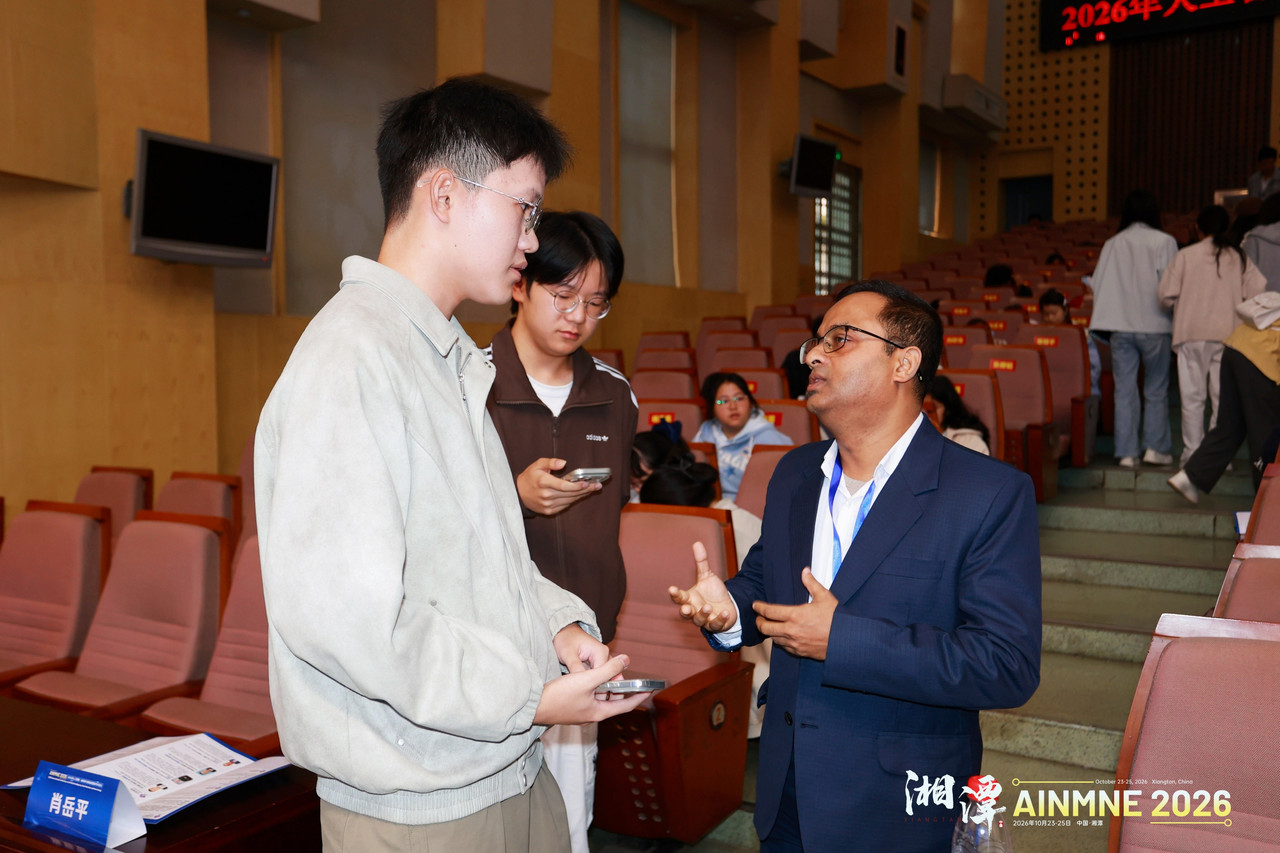
On October 24, 2026, the 2026 International Conference on Artificial Intelligence, New Materials and New Energy (AINMNE 2026) was successfully held in Xiangtan, Hunan Province, China. Hosted by Hunan Institute of Engineering and organized by its School of Information Science and Engineering and School of Future Technology, with the support of Hunan Talent Group and several partner universities, and under the guidance of the Xiangtan Association for Science and Technology, the conference brought together experts, scholars and engineers from universities, research institutions and industry in China and abroad to exchange the latest research findings and technological advances in artificial intelligence, new materials and new energy, while exploring innovative pathways for interdisciplinary collaboration, technological convergence and industrial upgrading.
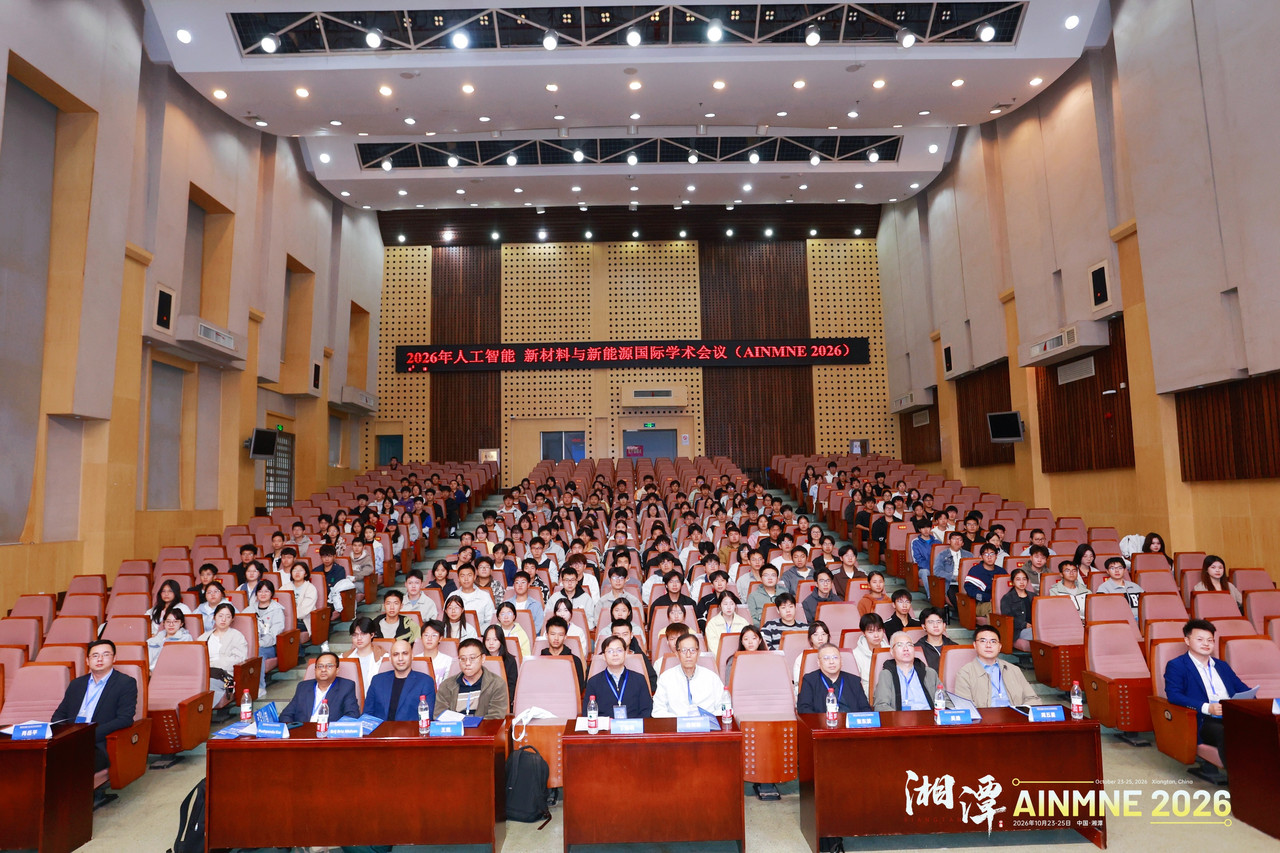
Group Photo
The session will be chaired by Associate Professor Wangjun Lu from Hunan Institute of Engineering, who will declare the opening ceremony open and extend a warm welcome to all attendees.
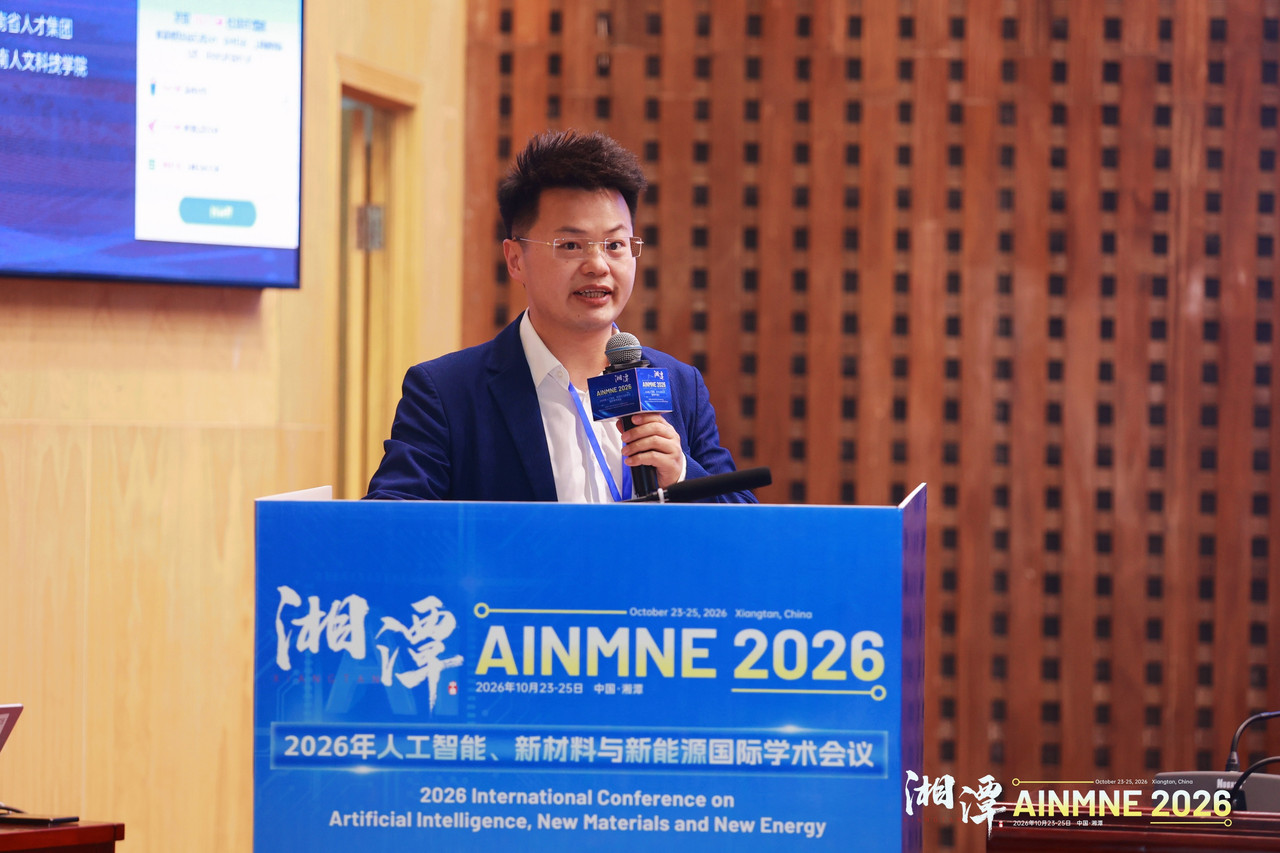
Assoc.Prof. Wangjun Lu, Hunan Institute of Engineering
At the opening ceremony, Prof. Xuanming Ding, Vice President for Academic Affairs of Hunan Institute of Engineering, delivered the opening address. He extended a warm welcome to all participants and expressed his hope that the conference would further strengthen exchanges and cooperation among universities, research institutions and scholars worldwide, and promote advances in artificial intelligence, new materials and new energy through scientific research and technological innovation.
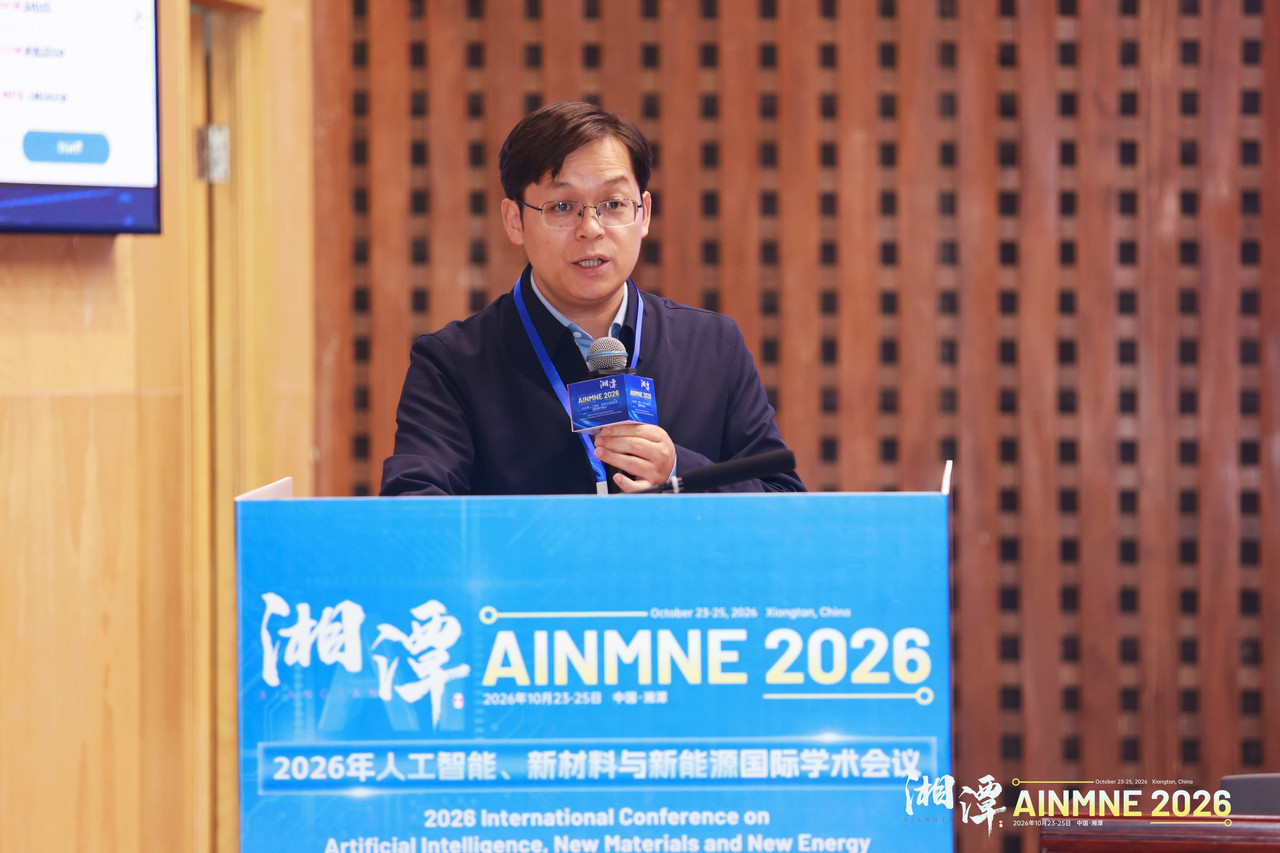
Prof. Xuanming Ding, Hunan Institute of Engineering
The Keynote Session of the Conference, Prof. Kai Wang from Qingdao University delivered a keynote speech entitled “Health Diagnosis and Remaining Useful Life Prediction of Supercapacitors for AI Computing Power Supplies,” sharing recent research advances in condition monitoring and lifetime prediction of supercapacitors for AI computing power supplies, and highlighting the crucial role of reliable energy storage components in AI infrastructure.
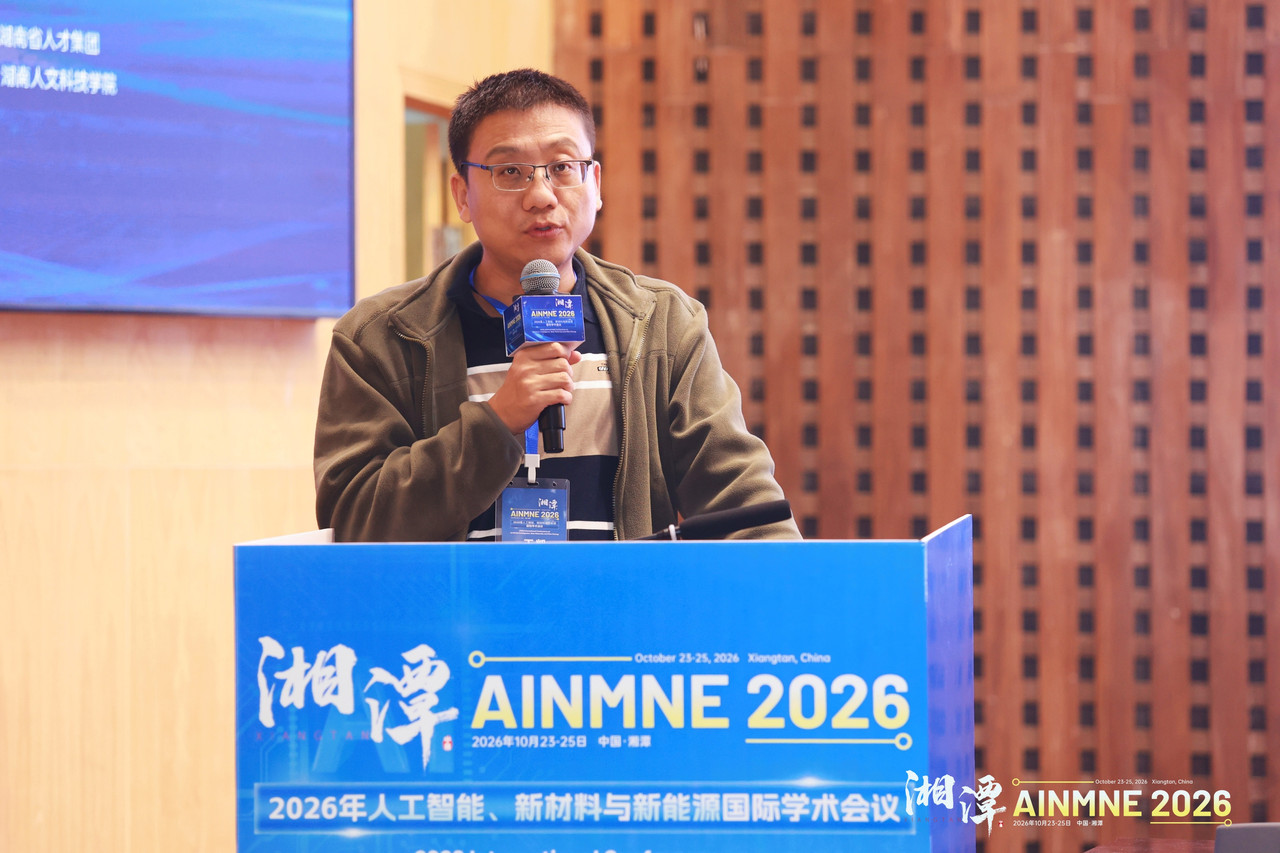
Prof. Kai Wang, Qingdao University
Prof. Brij Briz Mohan from Universidade de Lisboa presented “MOF Composites for Autonomous Systems: Materials that Monitor Targets,” introducing metal-organic framework composites that monitor target substances and their potential applications in autonomous systems.
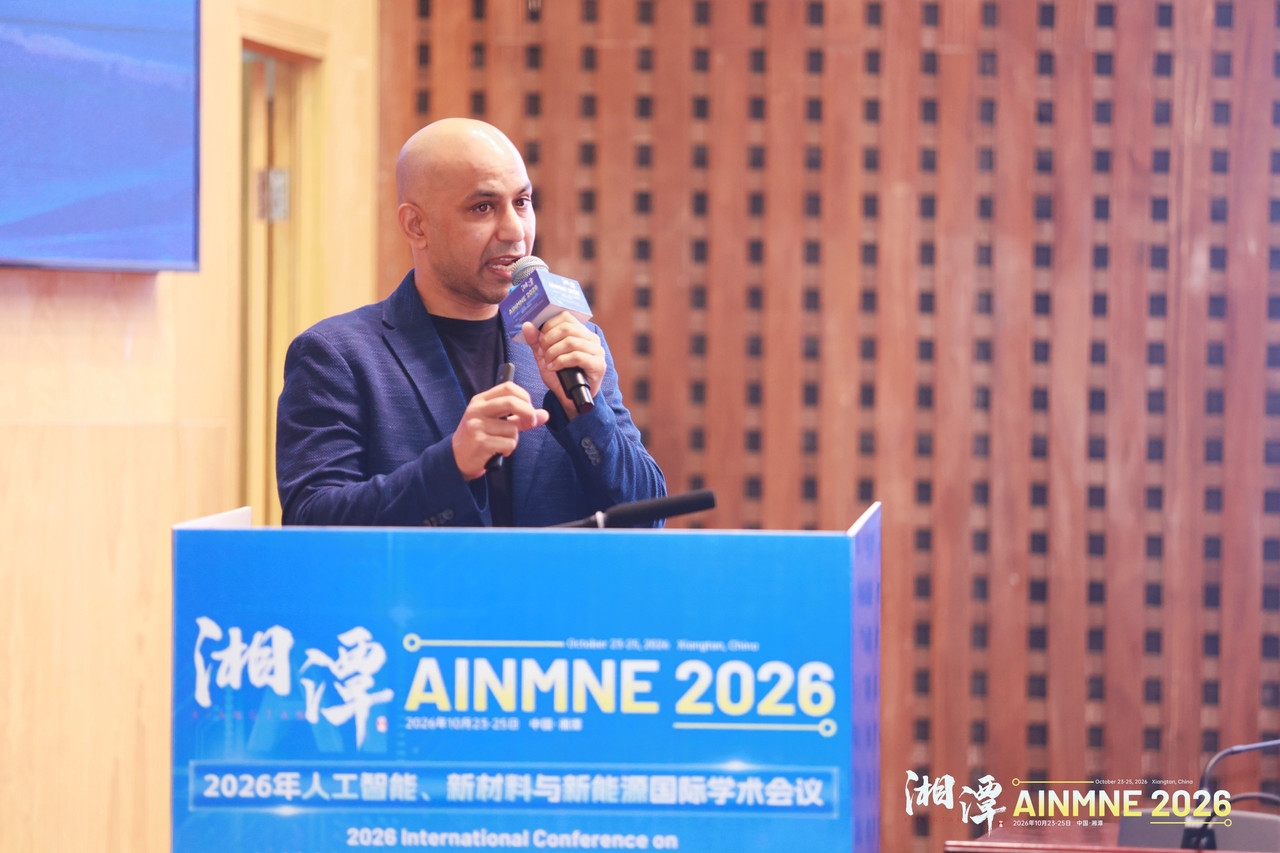
Prof. Brij Briz Mohan, Universidade de Lisboa
Prof. Dongbo Zhang from Xiangtan University delivered a presentation entitled “Embodied Active Visual Perception,” sharing his recent research on embodied active visual perception and its significance for intelligent robots and autonomous systems.
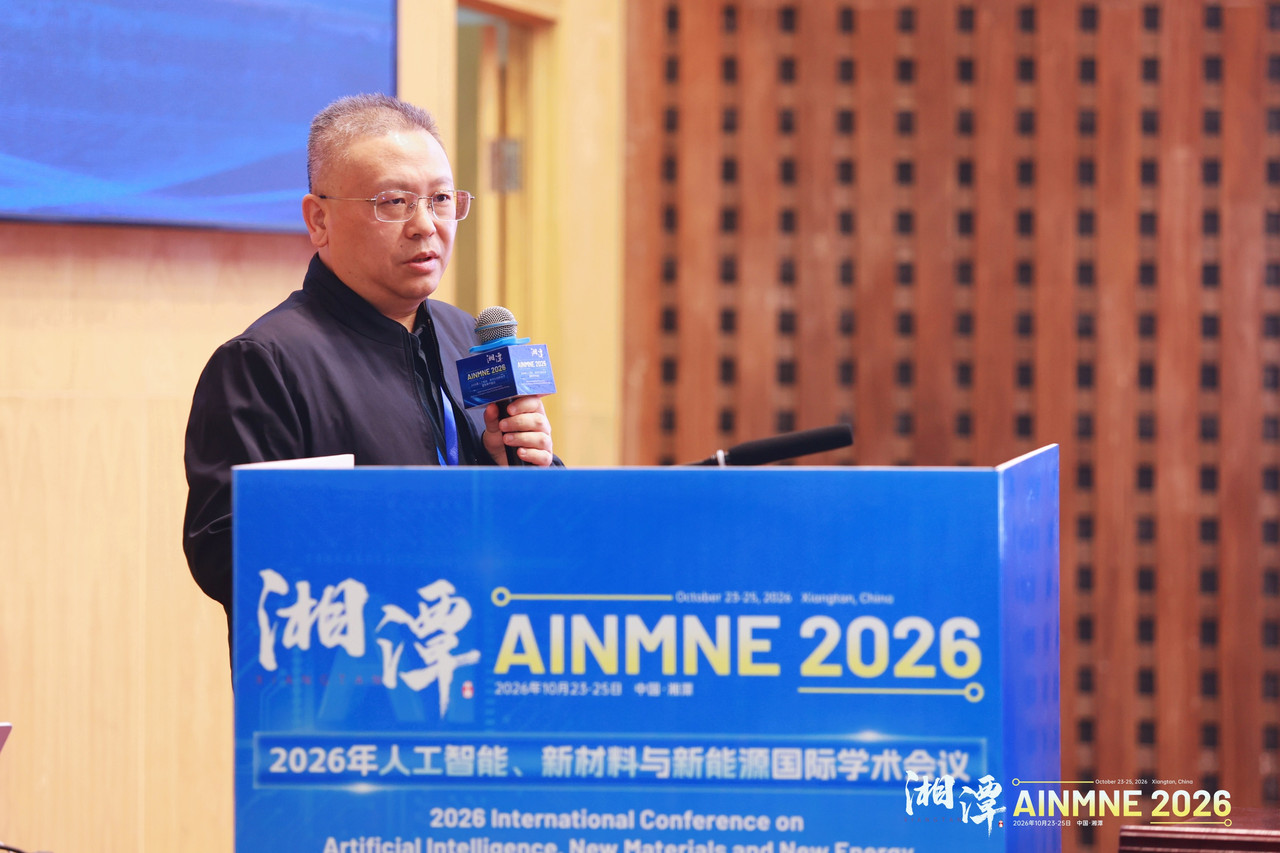
Prof. Dongbo Zhang, Xiangtan University
Prof. Pushpendu Kar from University of Nottingham Ningbo presented “Intelligent Traffic Prediction by Combining Weather and Road Traffic Condition Information: A Deep Learning-Based Approach,” introducing a deep learning framework that integrates weather and road traffic condition information for intelligent traffic prediction.
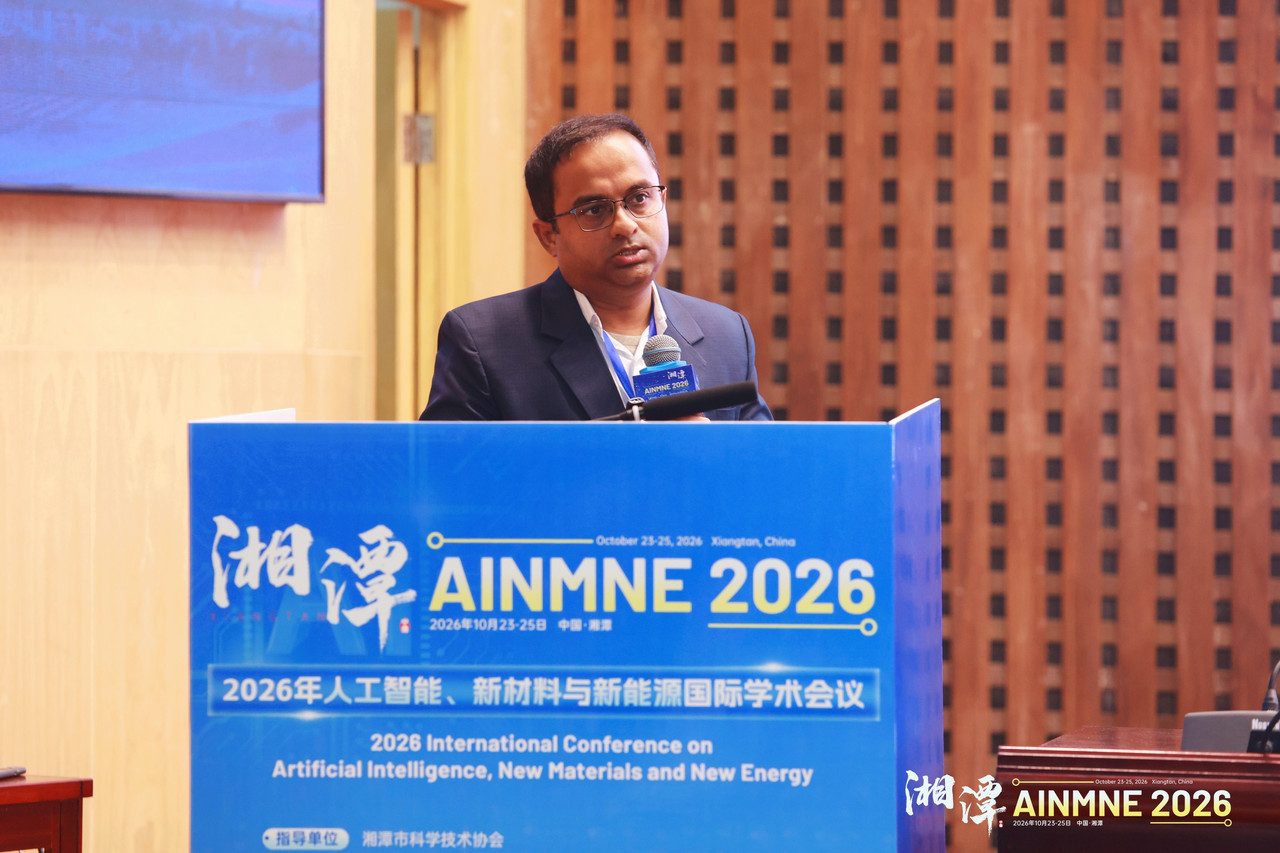
Prof. Pushpendu Kar, University of Nottingham Ningbo
After the break, Prof. Wuxing Zhou from Hunan University of Science and Technology presented “Machine Learning Approaches Facilitating the Study of Thermal Transport Properties of Energy Materials,” demonstrating how machine learning methods accelerate the investigation and prediction of thermal transport properties of energy materials.
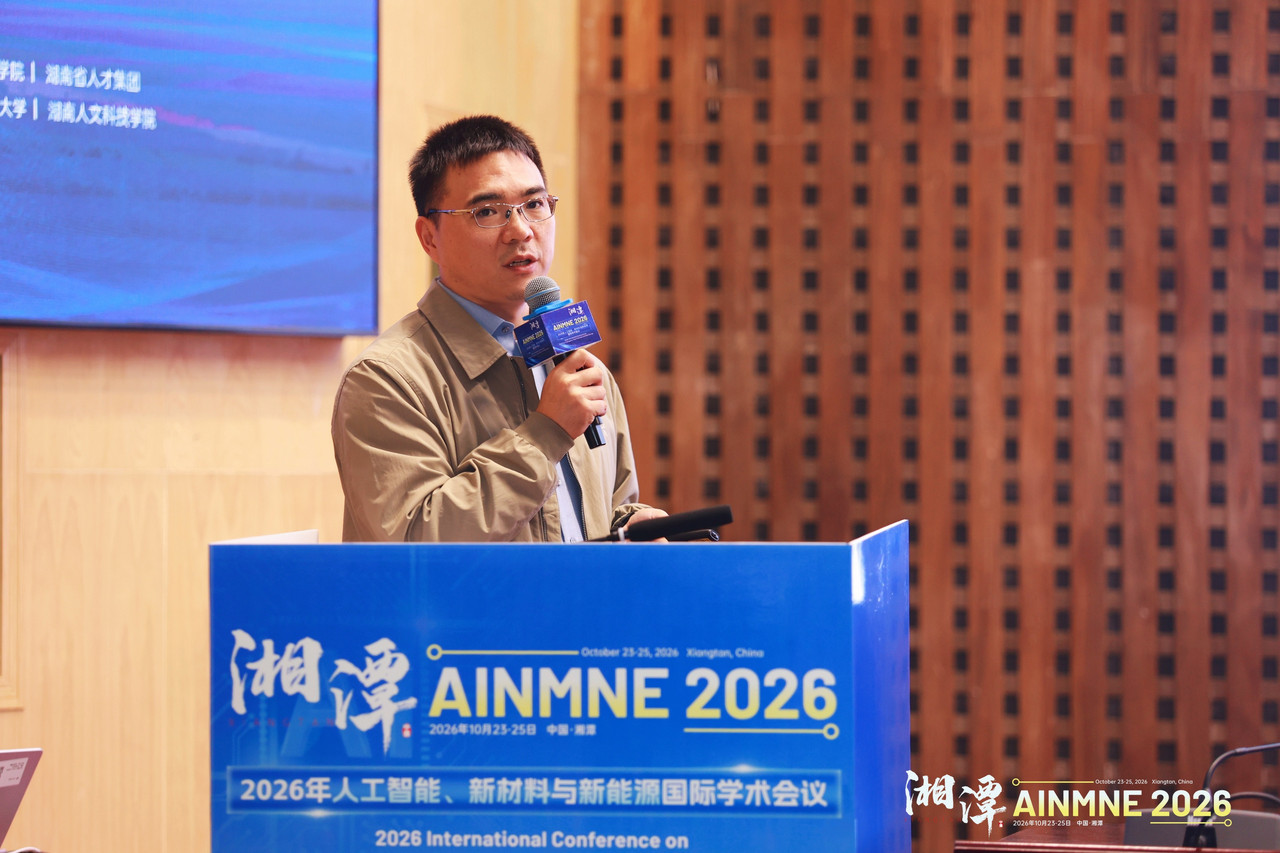
Prof. Wuxing Zhou, Hunan University of Science and Technology
Prof. Thippa Reddy Gadekallu from Zhejiang Agriculture and Forestry University delivered a virtual presentation entitled "Agentic AI in Healthcare 5.0: From Autonomous Systems to Symbiotic Care Ecosystems," outlining the evolution of agentic artificial intelligence in Healthcare 5.0, from autonomous systems to symbiotic care ecosystems.
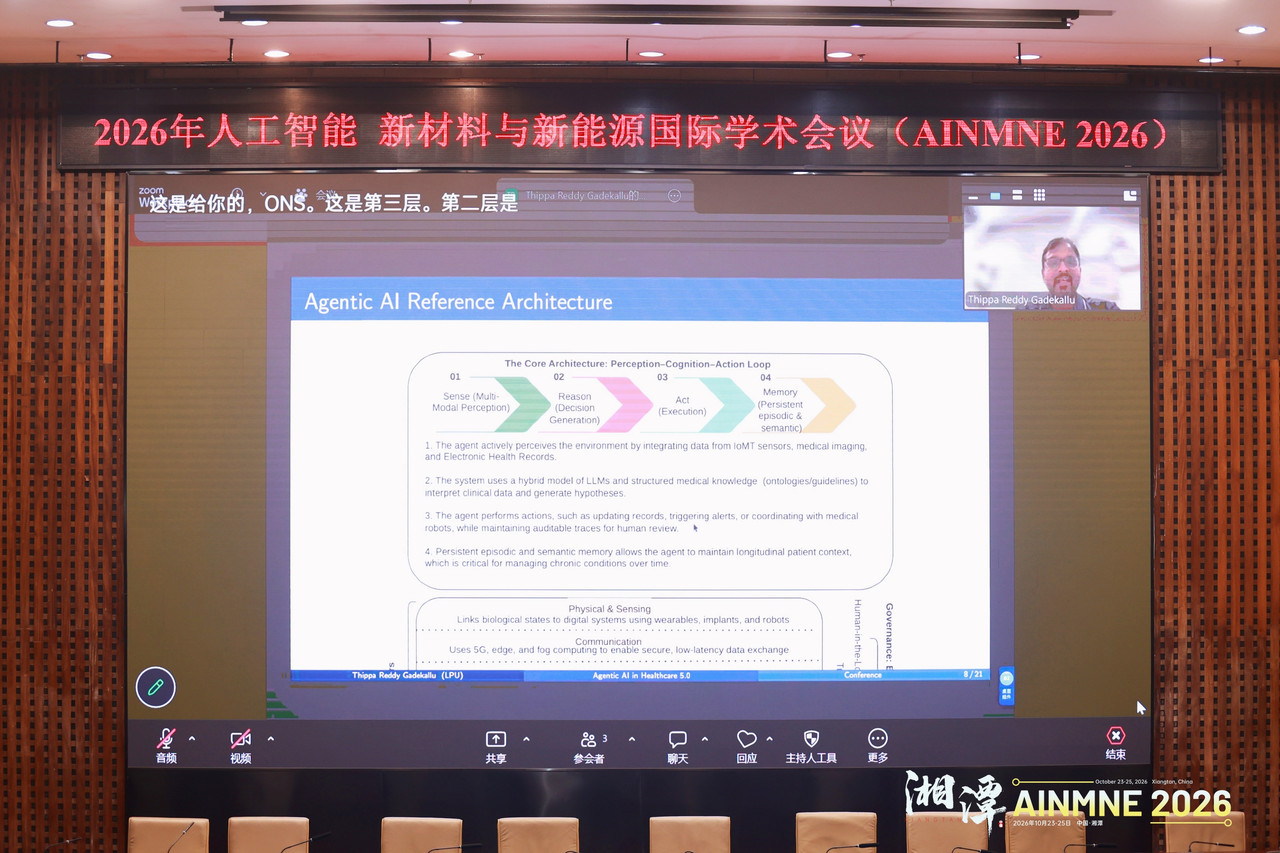
Prof. Thippa Reddy Gadekallu, Zhejiang Agriculture and Forestry University
In the Oral Presentation Session, Young scholars from the Electric Power Research Institute of Yunnan Power Grid Company Ltd., Dalian University of Technology and other universities and research institutions presented their latest research on silicon-based anode materials, vegetable insulating oil degradation mechanisms, perovskite thin film simulation and related topics, further enriching the academic exchange at the conference.
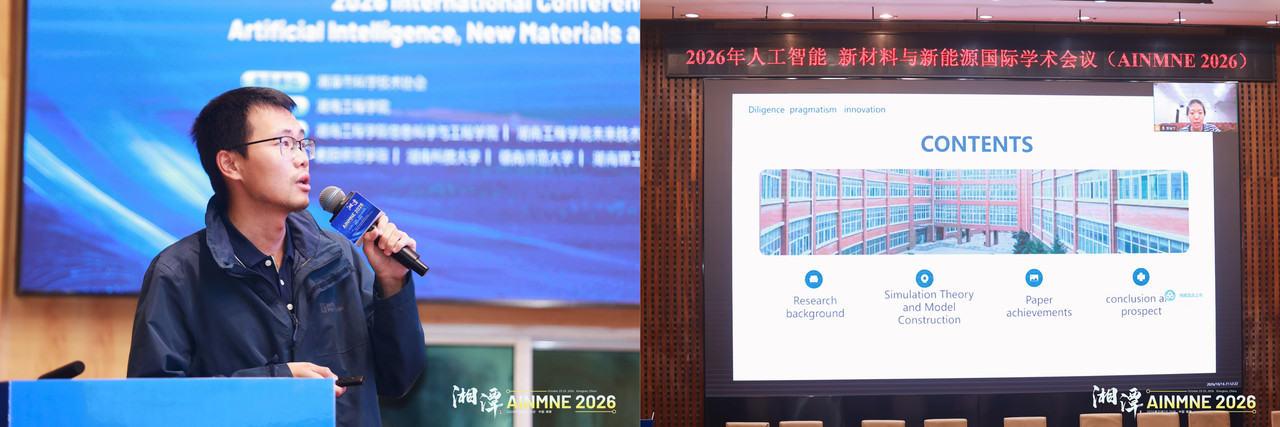
Oral Presentation
The successful conclusion of AINMNE 2026 provided an open and diverse platform for scholars and engineers worldwide, contributing new academic insights and innovative approaches to intelligent technologies, advanced materials, clean energy and sustainable development.